

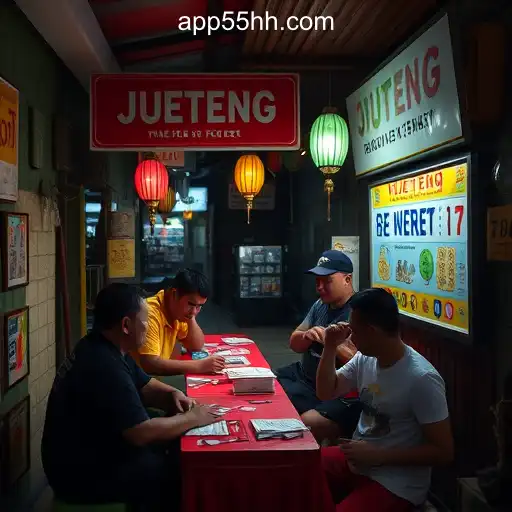
55HH.COM platform-Oficial Slots Brasil #1 | Understanding Jueteng: Cultural Phenomenon and Controversial Game
Jueteng: A Deep Dive into the Cultural Phenomenon
Jueteng is a well-known numbers game in the Philippines, deeply rooted in the nation’s culture and history. Often referred to as a form of illegal gambling, it has been a subject of intense debate, media scrutiny, and governmental concern. Despite its legal status, Jueteng remains prevalent, particularly in certain regions of the country, where it is not just considered a game but a socio-economic phenomenon.
The Origins of Jueteng
The game of Jueteng is believed to have originated during the Spanish colonial period in the Philippines. Derived from the Chinese game of "hui-ye-tsung," which means flower-drawing, Jueteng evolved into its current form over the centuries. The game involves betting on numbers ranging from 1 to 37, with small rewards that entice participants from diverse socioeconomic backgrounds.
The mechanics of Jueteng are simple yet engaging. Two bets are placed, correlating to two numbers drawn from a set of 37 numbered wooden balls. Players choose two numbers, and if both numbers are drawn, they win. This simplicity and accessibility have contributed significantly to its popularity. However, Jueteng's broader appeal lies in its informal economic role, where it provides jobs to many at the grassroots level such as bet collectors, also known as "cobradors," and game coordinators or "kubradors."
The Socio-Economic Impact
Despite its illegality, Jueteng serves as an economic engine in many communities. It is particularly prevalent in the rural and urban poor sectors, where official gambling options may not be as accessible or appealing. The earnings from Jueteng support not only the individual players but also communities by fostering a micro-economy that relies heavily on the flow of funds generated through daily operations. These clandestine operations importantly highlight the capability gaps within legal gambling regulations and enforcement.
In this context, Jueteng is more than just a gambling platform; it is an ecosystem of social interactions and economic dependencies. The reliance on Jueteng income is reflective of the larger economic struggles faced by constituents in these areas, making it a deeply embedded aspect of everyday life.
Political Dimensions
Jueteng is not just a game of chance but a political issue that has impacted local and national politics in the Philippines. Political figures have historically been accused of using Jueteng proceeds to fund electoral campaigns or other political endeavors. This association with corruption and money laundering elevates Jueteng's status from a mere gambling activity to a focal point of political controversy and investigation.
Frequently, public officials are implicated in scandals involving Jueteng payoffs, which serves as both a political hot potato and a measure of the deep-seated corruption challenges within government structures. The persistent allegations and subsequent probes often make front-page news, further entwining the game with governmental and political discourse.
Modern Adaptations and Platforms
In recent years, with technological advancements and the advent of online platforms, the landscape of gambling has evolved, potentially influencing traditional forms of play such as Jueteng. Online platforms, including the 55HH.COM platform-Oficial Slots Brasil #1, provide newer opportunities by creating digital spaces for gambling that can bypass some of the traditional legal hurdles associated with land-based betting games.
The platform promotes itself as a hub for official slots, pulling audiences into regulated gamble spaces while claiming compliance with legal frameworks in jurisdictions like Brazil. The juxtaposition of these modern betting platforms with systems like Jueteng raises important questions concerning regulation, control, and cultural impact.
Legal and Regulatory Challenges
The persistence of Jueteng in the face of crackdowns and initiatives to eradicate illegal gambling reflects the challenges faced by regulators and enforcers. Efforts to regulate Jueteng have included attempts to legalize it, creating potential revenue streams for the government. Yet, the inefficiencies in law enforcement and the ingrained nature of Jueteng in local culture make these attempts complex and often unsuccessful.
Attempts to transition players from illegal Jueteng to legal gambling options involve rigorous policy-making and on-the-ground campaigns against deeply-rooted cultural practices. Any regulation must consider the multifaceted roles Jueteng plays in society—economic, social, and political—accompanied by stringent enforcement and community engagement.
Cultural Persistence
Ultimately, Jueteng's enduring presence can be seen as an illustration of resilient cultural practices that adapt and persist against the backdrop of change. This characteristic of adaptability ensures that Jueteng remains a relevant part of community life, while also drawing attention to broader socio-economic challenges.
Understanding Jueteng, its cultural roots, and its implications can offer insights into how informal systems operate within legal frameworks and the impact they exert at multiple levels. As technology and society continue to evolve, the interplay between traditional and digital arenas ensures that topics such as Jueteng remain pertinent and contentious in public discourse.


Mapa do Site Google